5 Questions People Often Ask When Converting to Judaism
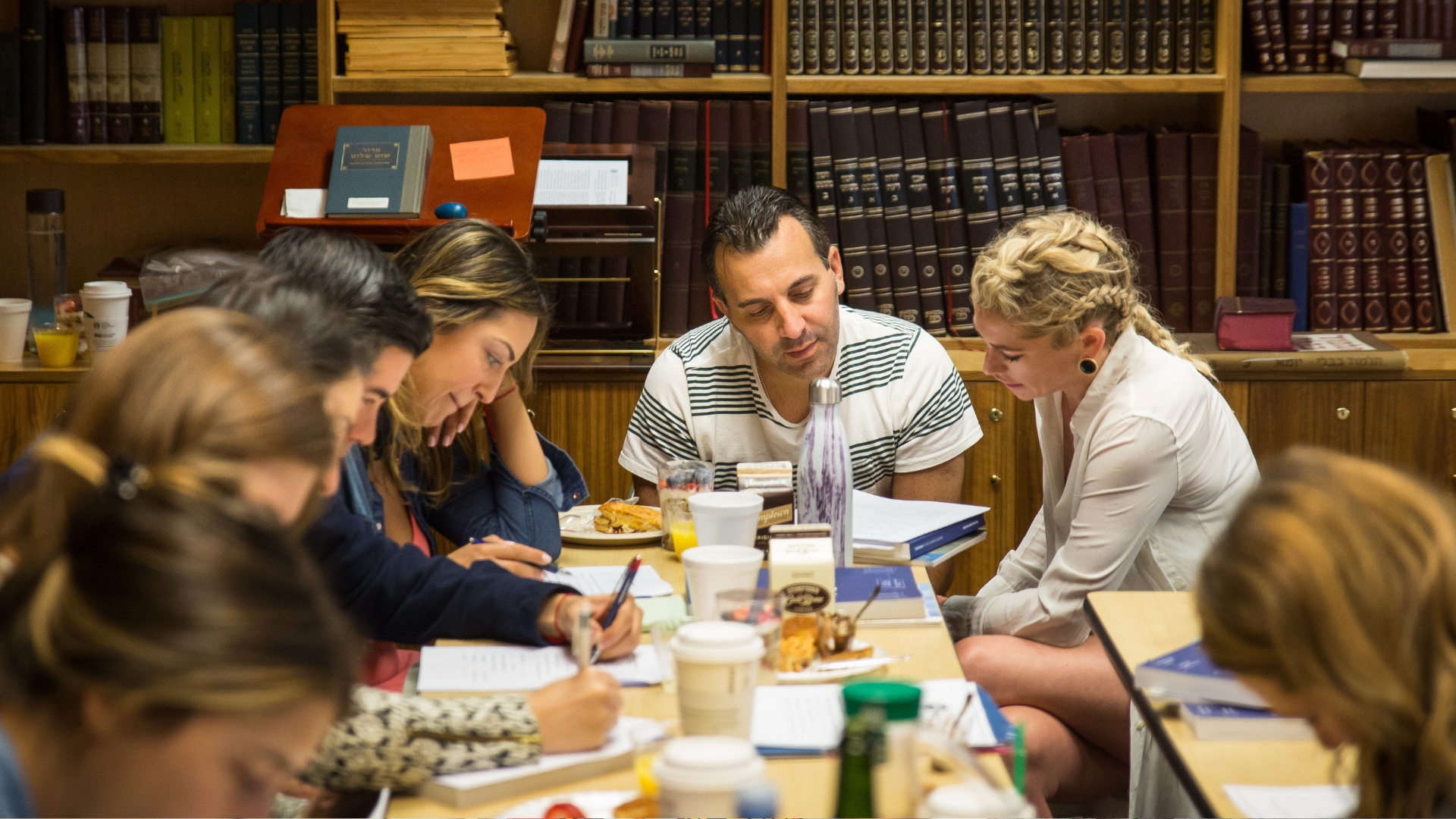
Considering converting to Judaism can bring up a lot of questions — about Jewish beliefs, traditions, community and what it actually means to become Jewish.
While every conversion journey is different, here are five questions that come up frequently for people exploring conversion.
1. Why do I want to become Jewish?
This is often one of the most important questions to consider, and one you may hear during the conversion process itself.
People come to Judaism for many different reasons. Some feel drawn to Jewish beliefs and traditions. Others have Jewish partners or family members, or have spent years participating in Jewish life. Some simply feel that Judaism provides a spiritual and communal home that resonates with them.
There isn’t necessarily one “right” answer. What matters is taking time to understand your own motivations and what becoming part of the Jewish people means to you.
The question of motivation is also central to the beit din, or rabbinic court, that typically meets with a conversion candidate. Common questions include what drew you to Judaism, what you find meaningful about Judaism and how you envision living as a Jew.
2. Do I have to know everything about Judaism before I convert?
No—and that’s exactly why learning is such an important part of the process.
A great place to begin is Miller Introduction to Judaism, a program of the Maas Center for Jewish Journeys at American Jewish University. The 18-week course explores Jewish history, Torah, holidays, rituals, prayer, values and everyday Jewish life. It’s designed for anyone who is Jewish, Jew-ish, exploring Judaism or simply curious, and no previous background is required.
Some students ultimately convert, while others take the course simply because they want to learn more about Judaism.
The important thing to remember: Completing an Introduction to Judaism course doesn’t automatically make someone Jewish. It provides foundational learning, while the actual conversion process is guided by a sponsoring rabbi and the requirements of the relevant Jewish community.
3. What is a Jewish denomination, and do I have to choose one?
Jewish denominations are the principal categories of religious affiliation in Judaism, according to My Jewish Learning.
Do you have to choose a denomination? No, not necessarily—but it’s an important decision to discuss with a rabbi.
Judaism includes several major movements, including Reform, Conservative/Masorti and Orthodox, and their approaches to conversion can differ. Requirements, expectations around Jewish practice and the recognition of conversions may vary between communities.
That’s one reason finding a sponsoring rabbi early can be so helpful. A rabbi can explain the expectations of their community and help you determine which path makes sense for you.
The Miller Intro to Judaism Program itself is pluralistic, rather than affiliated exclusively with one denomination. Its curriculum is taught by community partners across the Jewish spectrum.
4. What happens at the end of the conversion process?
The details depend on the Jewish movement and the individual circumstances, but a conversion may include meeting with a beit din, a rabbinic court, and immersion in a mikvah, a ritual bath.
The beit din conversation isn’t simply a test of how much Jewish trivia you’ve memorized. Rabbis may want to understand your motivations, your Jewish experiences, what you’ve learned and how you plan to participate in Jewish life.
Mikvah immersion is another significant part of many conversion journeys, marking a person’s formal entry into the Jewish people. The specific requirements vary by denomination and sponsoring rabbi.
5. How long does it take to convert?
There’s no universal timetable.
The length of the process depends on the individual, the sponsoring rabbi and the Jewish movement. At AJU’s Maas Center, the Miller Intro to Judaism course fulfills foundational learning requirements but is only one step in the journey. The sponsoring rabbi determines what additional learning and experiences are needed.
For many people, the process is about more than checking off requirements. It’s an opportunity to experience Jewish life firsthand — attending Shabbat services, celebrating holidays, learning Hebrew, studying Torah and becoming part of a Jewish community.
The Bottom Line
If you’re considering conversion, you don’t need to have everything figured out before you begin.
Start by asking questions. Learn about Judaism. Spend time in a Jewish community. Find a rabbi who can guide you. And give yourself permission to discover what Judaism means to you along the way.
For those looking for a place to begin, AJU’s Miller Introduction to Judaism Program offers an 18-week introduction to Jewish history, beliefs, rituals and values, with classes available online and through community partners.